神奈川県相模原市緑区には、甲州街道の宿場町が、四ヶ宿あります。小原宿、与瀬宿、吉野宿、関野宿。小原宿には、小原本陣という神奈川県唯一の建物が残っており、吉野宿には旅籠であった、ふじやがあります。宿場を巡り、当時の歴史文化を味わってみませんか。
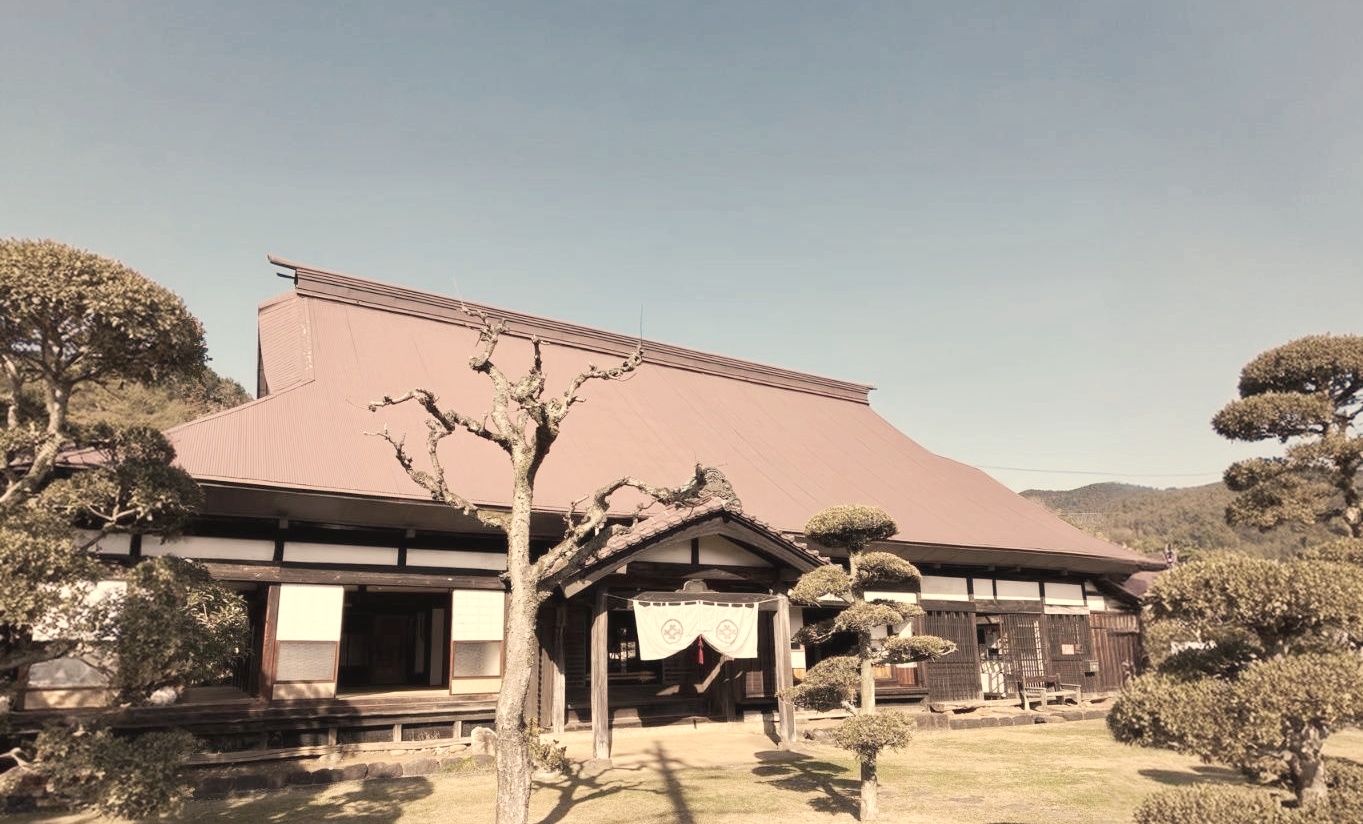
In Midori Ward, Sagamihara City, Kanagawa Prefecture, there are four post towns along the Kōshū Kaidō: Ohara-juku, Yose-juku, Yoshino-juku, and Sekino-juku. Ohara-juku preserves the Ohara Honjin, the only remaining building of its kind in Kanagawa Prefecture. Yoshino-juku features Fujiya, a former inn. Why not explore these post towns and experience their historical culture?

宿泊プラン
甲州街道の歴史や文化に触れる宿泊プランをご用意しております。
ぜひ、この機会に甲州街道の宿場町の魅力を再発見してください。
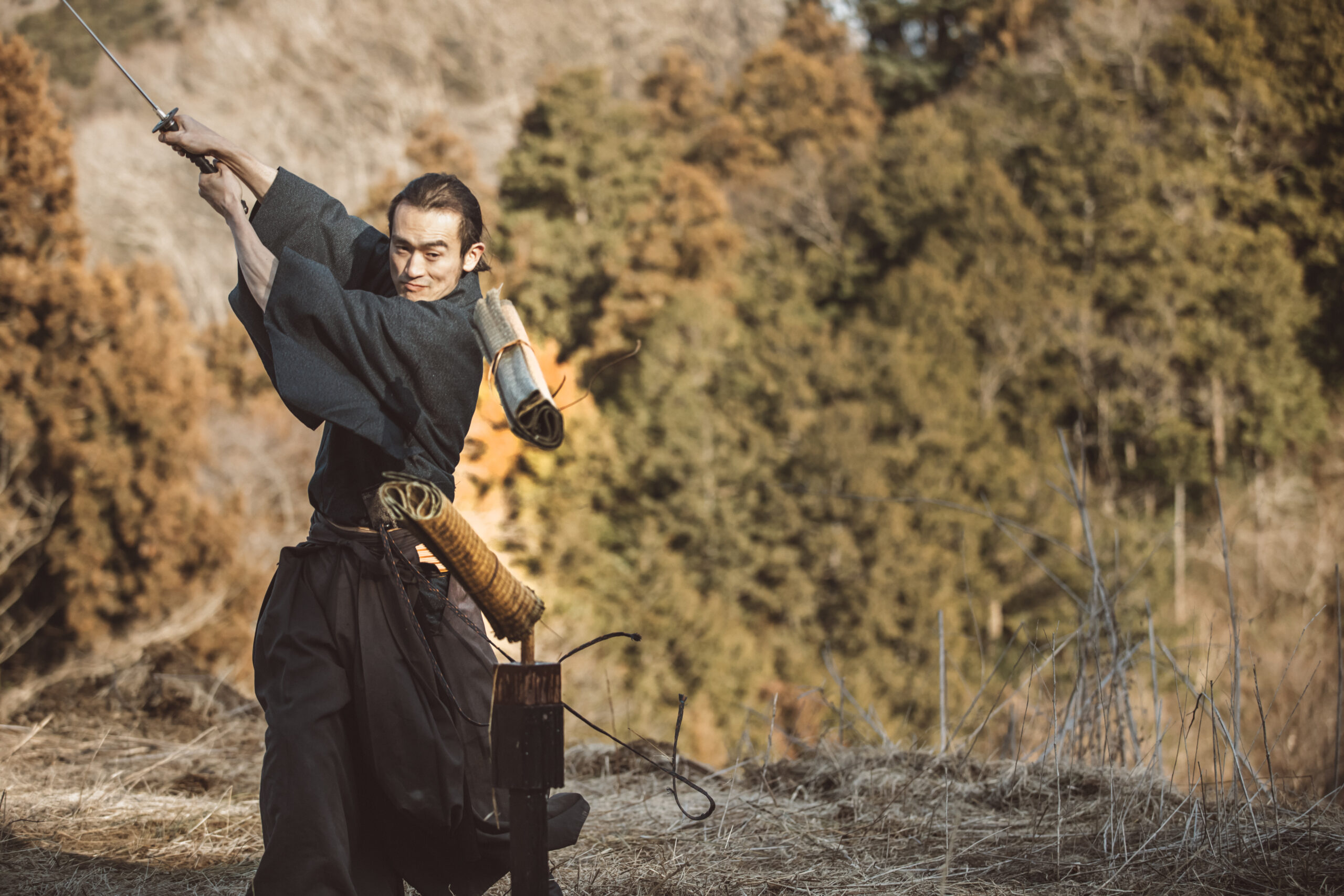
神奈川県相模原市緑区には、甲州街道の宿場町が、四ヶ宿あります。神奈川唯一現存する小原宿本陣の見学に加え、侍体験や機織り体験を通して、宿場に息づいた文化と暮らしを体感します。高尾山からほど近い里山に位置し、日本の精神文化や手しごと、静かな里山時間を深く味わえる滞在型の旅になっています。

宿場紹介
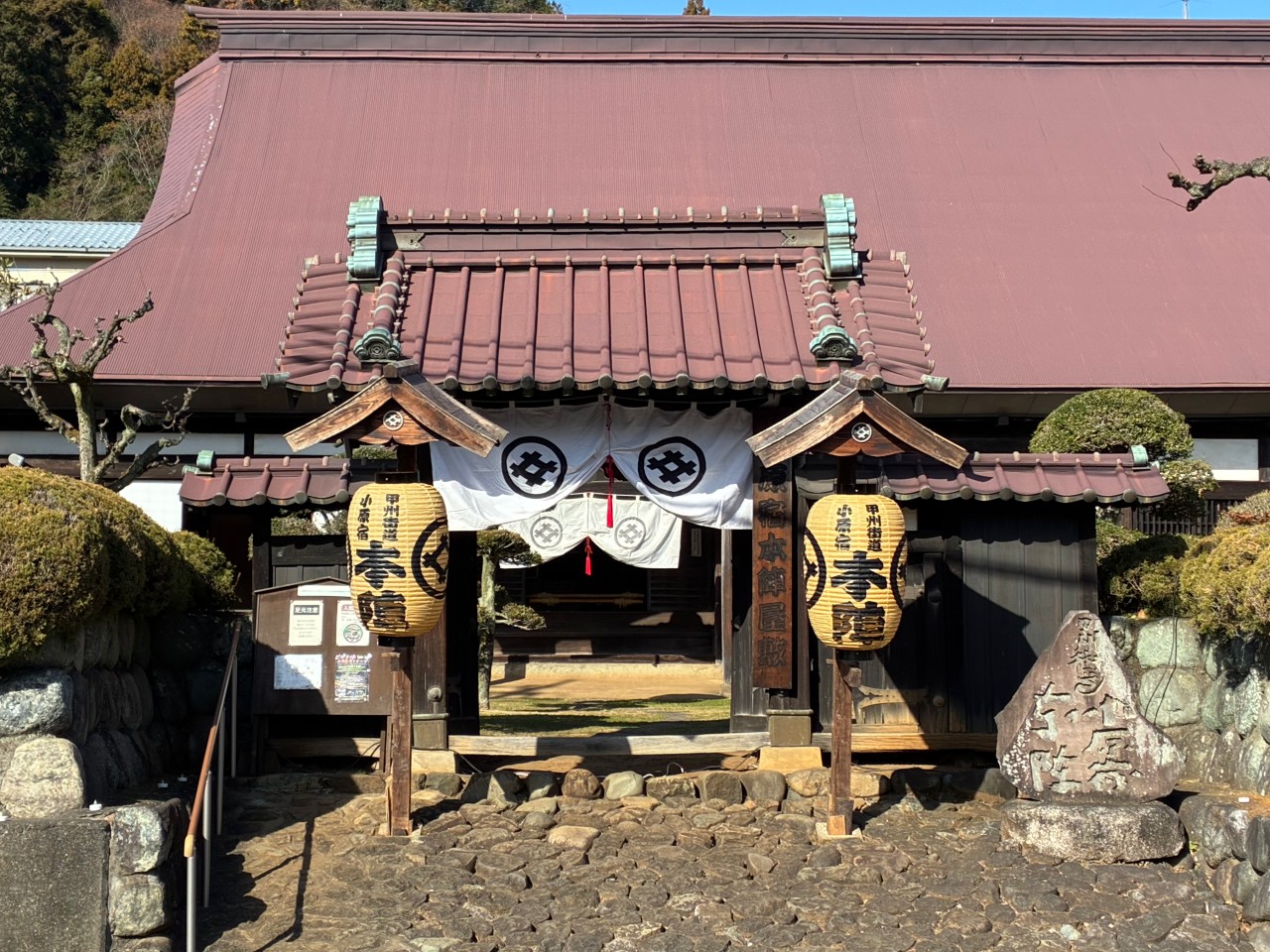
小原宿(おばらじゅく)は、甲州街道の江戸から14番目の宿場町で、現在の相模原市緑区小原に位置します。東西約270mと小規模ながら、小仏峠の甲府側にあたる重要な地点にあり、旅人の休息地として機能しました。
宿場の名主・問屋を務めた清水家の屋敷に設けられた小原宿本陣は、神奈川県内に現存する唯一の本陣建築で、1996年に県指定重要文化財となっています。
建物は19世紀初期の建築とされ、西側に奥座敷を配した格式ある造りが特徴です。屋根は葺き替えられているものの、カブト造りの名残があり、津久井地域の養蚕文化を今に伝えています。近接地には歴史資料館「小原の郷」も整備されています。
OBARA-JUKU
Obara-juku was the 14th post town along the Koshu Kaido road from Edo, located in present-day Obara, Midori Ward, Sagamihara City. Though small, stretching only about 270 meters east to west, it served as a vital resting place for travelers at the Kofu side of the Kobutsu Pass.
The Obara-juku Honjin, established within the residence of the Shimizu family who served as the post town's chief and wholesaler, is the only surviving honjin building in Kanagawa Prefecture. It was designated a Prefectural Important Cultural Property in 1996.
The building is believed to date from the early 19th century and is characterized by its formal layout featuring a private inner room (Okuzashiki) on the west side. Although the roof has been replaced, traces of the original kabuto-zukuri (samurai-helmet-shaped) roof remain, preserving the silk-rearing culture of the Tsukui region. The nearby site also houses the historical museum “Ohara no Sato.”
与瀬宿(よせじゅく)は、日本橋から約63kmの地点にある甲州街道の宿場で、現在の相模原市緑区に位置します。天保年間には約110軒の家屋と6軒の旅籠を擁し、人口約560人を数える比較的大きな宿場でした。
宿場は川止めの影響を受けにくい河岸段丘上に設けられ、鮎の名産地としても知られていました。名主を務めた坂本家は本陣・問屋を兼ね、格式ある本陣が存在していましたが、建物は現存せず、現在は明治天皇立ち寄り石碑のみが残されています。また、与瀬宿は小原宿とともに片継宿場として機能し、上り下りで役割を分担しながら旅人を次の宿場へ送り出していました。
YOSE-JUKU
Yose-juku was a post town on the Koshu Kaido, located approximately 63 km from Nihonbashi, in what is now Midori Ward, Sagamihara City. During the Tenpo era, it was a relatively large post town with about 110 houses and 6 inns, boasting a population of roughly 560 people.
The post station was established on a river terrace, making it less susceptible to river blockages, and was also renowned as a prime ayu (sweetfish) fishing spot. The Sakamoto family, who served as the local chief, operated both the Honjin (main inn for government officials) and the toya (wholesale inn). While a prestigious Honjin once stood here, the buildings no longer exist, and only theMonument Commemorating Emperor Meiji's Visit remain today. Furthermore, Yosejuku functioned as a split post station alongside Obara-juku, dividing responsibilities for travelers heading up and down the road to send them onward to the next post town.
吉野宿(よしのじゅく)は、甲州街道の16番目の宿場で、江戸と甲府のほぼ中間に位置します。諏訪藩や高遠藩などの参勤交代の常宿として栄え、甲州街道屈指の繁華な宿場町でした。
本陣を中心に、旅館や遊廓、飲食店、商店が軒を連ね、床屋や按摩師なども活動する賑わいを見せていました。旧旅籠「藤屋」を前身とする「ふじや」は、明治期に再建され、現在は郷土資料館として公開されています。館内では宿場の模型や生活道具、養蚕に関する資料などが展示され、地域の歴史を伝えています。
YOSHINO-JUKU
Yoshino-juku was the 16th post town along the Koshu Kaido, situated roughly halfway between Edo and Kofu. It flourished as a regular lodging spot for the Suwa and Takato domains during their sankin-kotai rotations, becoming one of the most bustling post towns along the Koshu Kaido.
Centered around the Honjin (official inn for feudal lords), it thrived with rows of inns, pleasure quarters, restaurants, shops, barbers, and masseurs. The “Fujiya” building, successor to the former inn “Fujiya,” was rebuilt during the Meiji period and is now open as a local history museum. Inside, models of the post station, daily life tools, and materials related to sericulture are displayed, conveying the region's history.
関野宿(せきのじゅく)は、甲州街道17番目の宿場で、江戸から約71kmの位置にあります。本陣1軒、脇本陣1軒、旅籠3軒を備えた小規模な宿場でしたが、甲斐国へ入る直前の重要な拠点でした。
延宝2年(1674年)に設置された関野本陣は、諏訪番所を越えて甲斐へ向かう最後の宿場として重視されていました。しかし、明治期の度重なる火災により、宿場の建物はほぼ消失しています。
現在は本陣跡に説明板が設置され、甲州街道沿いに点在する史跡とともに、往時の宿場の面影を偲ぶことができます。
SEKINO-JUKU
Sekino-juku was the 17th post town along the Koshu Kaido, located approximately 71 km from Edo. Though a small post town with one Honjin, one Waki-Honjin(Secondary Inn), and three Ryokan inns, it served as a crucial hub just before entering Kai Province.
Established in 1674, Sekino Honjin was highly valued as the final post town for travelers heading toward Kai after passing the Suwa checkpoint. However, repeated fires during the Meiji period destroyed nearly all the post station buildings.
Today, an explanatory plaque stands at the site of the Honjin. Together with the scattered historical sites along the Koshu Kaido, it allows visitors to imagine the atmosphere of the post station in its heyday.